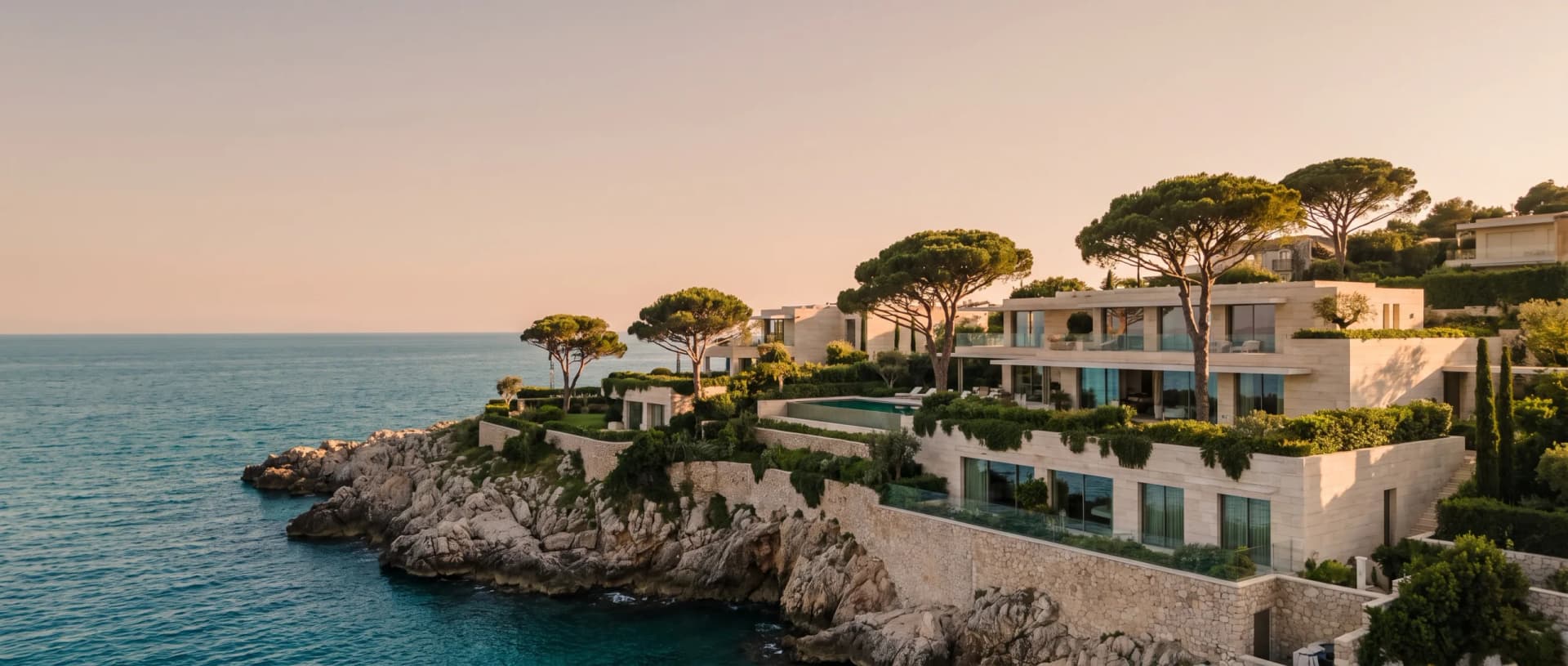
French Riviera
The Riviera remains one of Europe’s most sought-after markets for a second home. New-build here is rare and low-key — and the purchase, often financed by the proceeds of a sale, almost always calls for thought about succession.
Cap d’Antibes · Cannes — Californie · Saint-Jean-Cap-Ferrat · Villefranche-sur-Mer · Nice — Cimiez
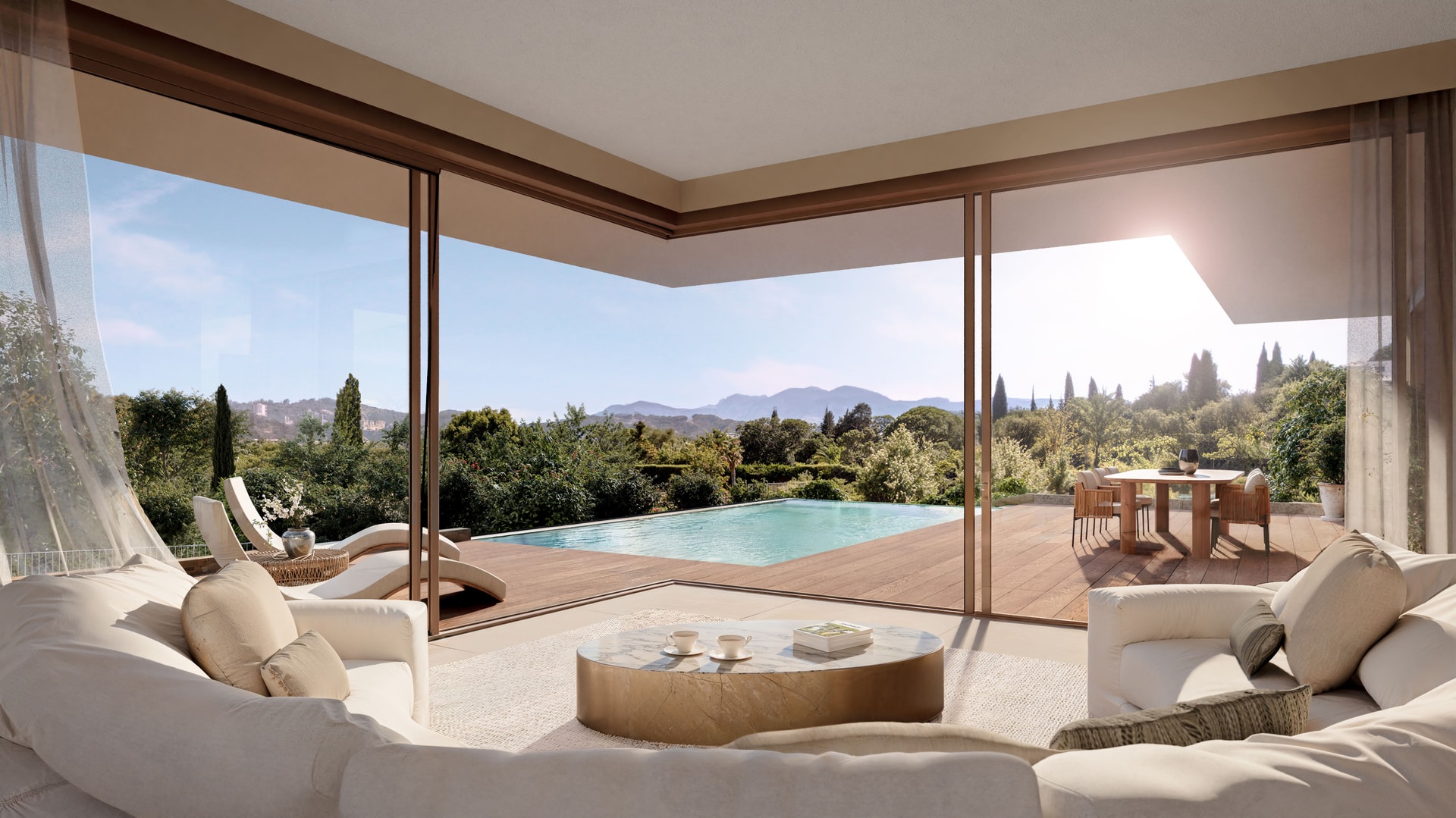
A light, a clientele, a Mediterranean art of living
Between Cannes and the Italian border, the Riviera coastline lines up a handful of exceptional areas: the Cap d’Antibes peninsula, the heights of Californie in Cannes, the absolute rarity of Saint-Jean-Cap-Ferrat, the hills of Cimiez overlooking Nice. Here you buy an address, a view, an aspect — and a way of life turned towards the sea, the pines and the climate.
The clientele is international and wealth-minded. Many buyers arrive after selling a company and seek, in Riviera property, both a family home and a transmissible asset. It is a market where discretion and selection matter more than volume.
A constrained and discreet coastal new-build market
The Coastal Act and the scarcity of land sharply limit new construction in these areas. The developments are small, few and far between, finished to a high standard, and demand — largely international — remains greater than supply. The second home dominates, with strong requirements on view, aspect and finishes.
- Scarce land and the Coastal Act: few new operations, small in size.
- International demand structurally greater than supply.
- The second home dominates, highly selective on view and aspect.
- A market of discretion, where selection matters more than volume.
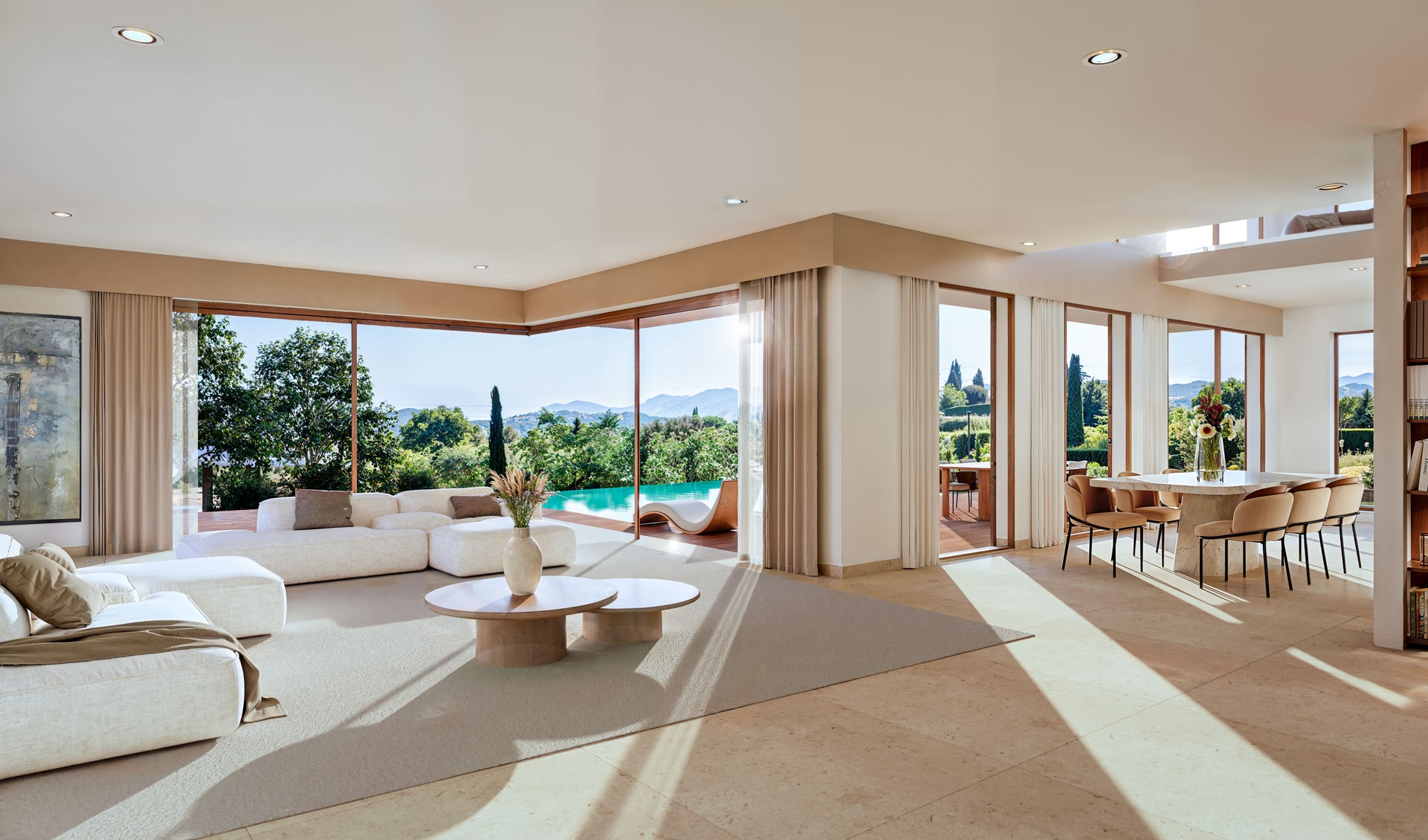
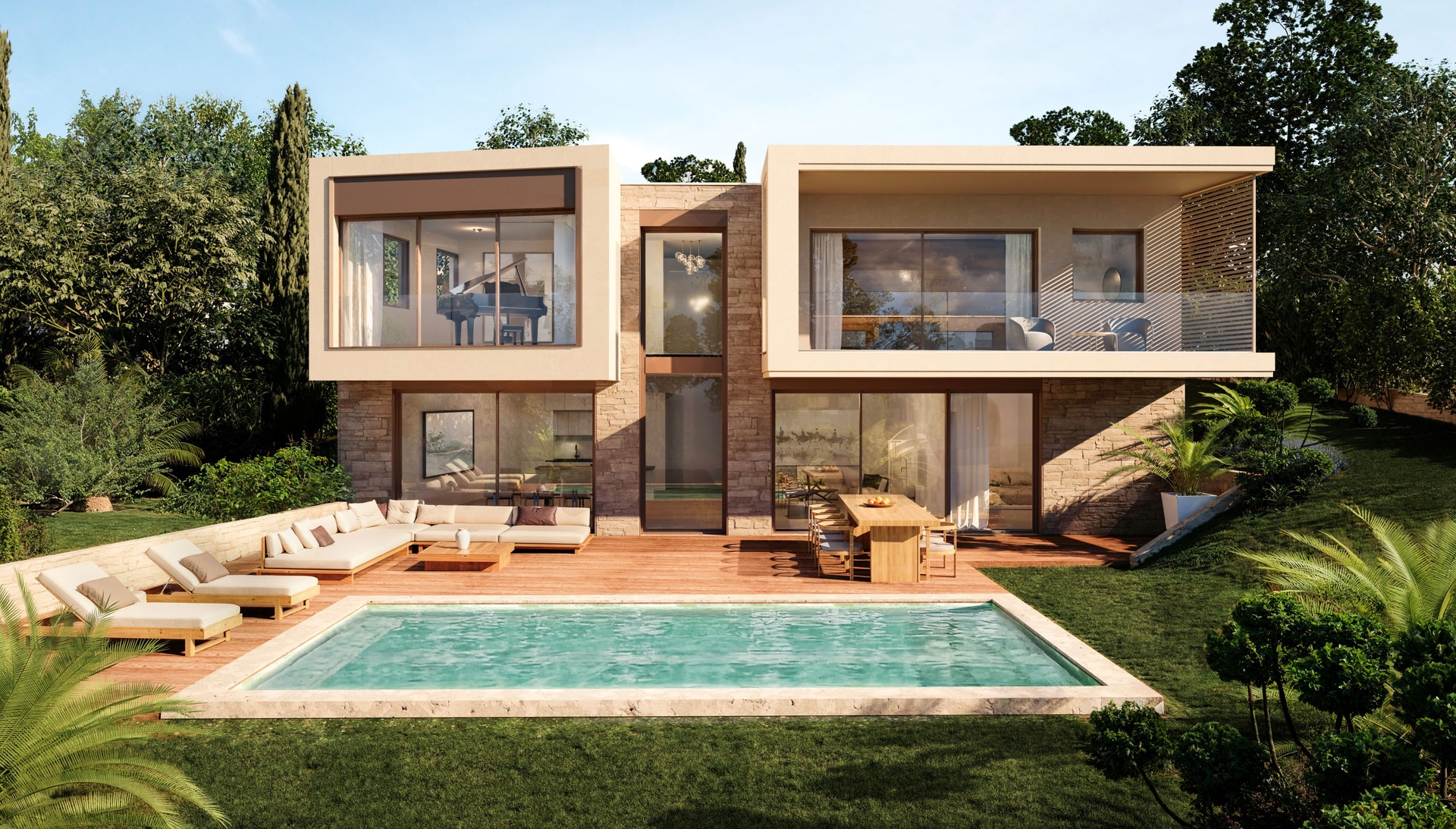
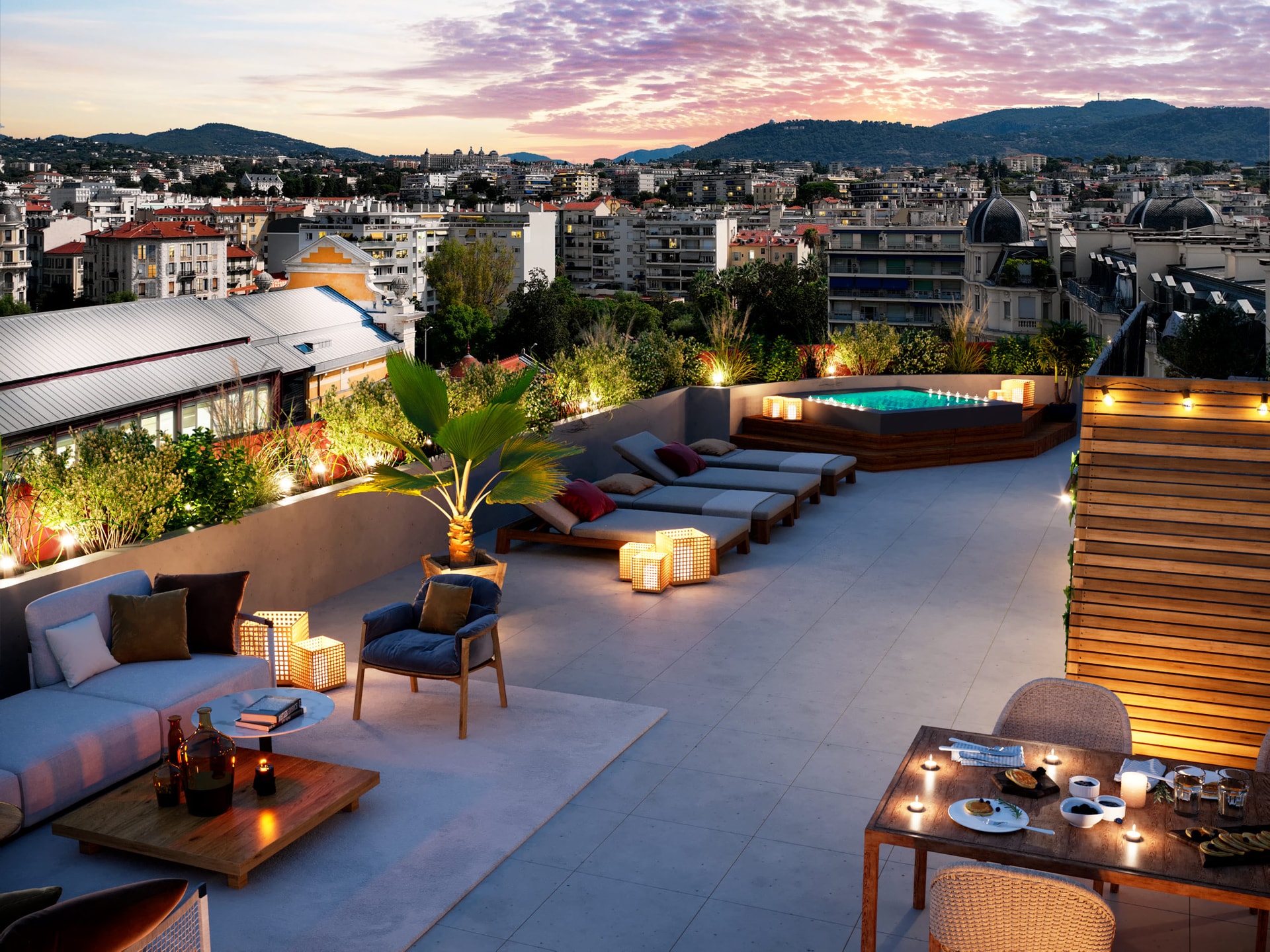
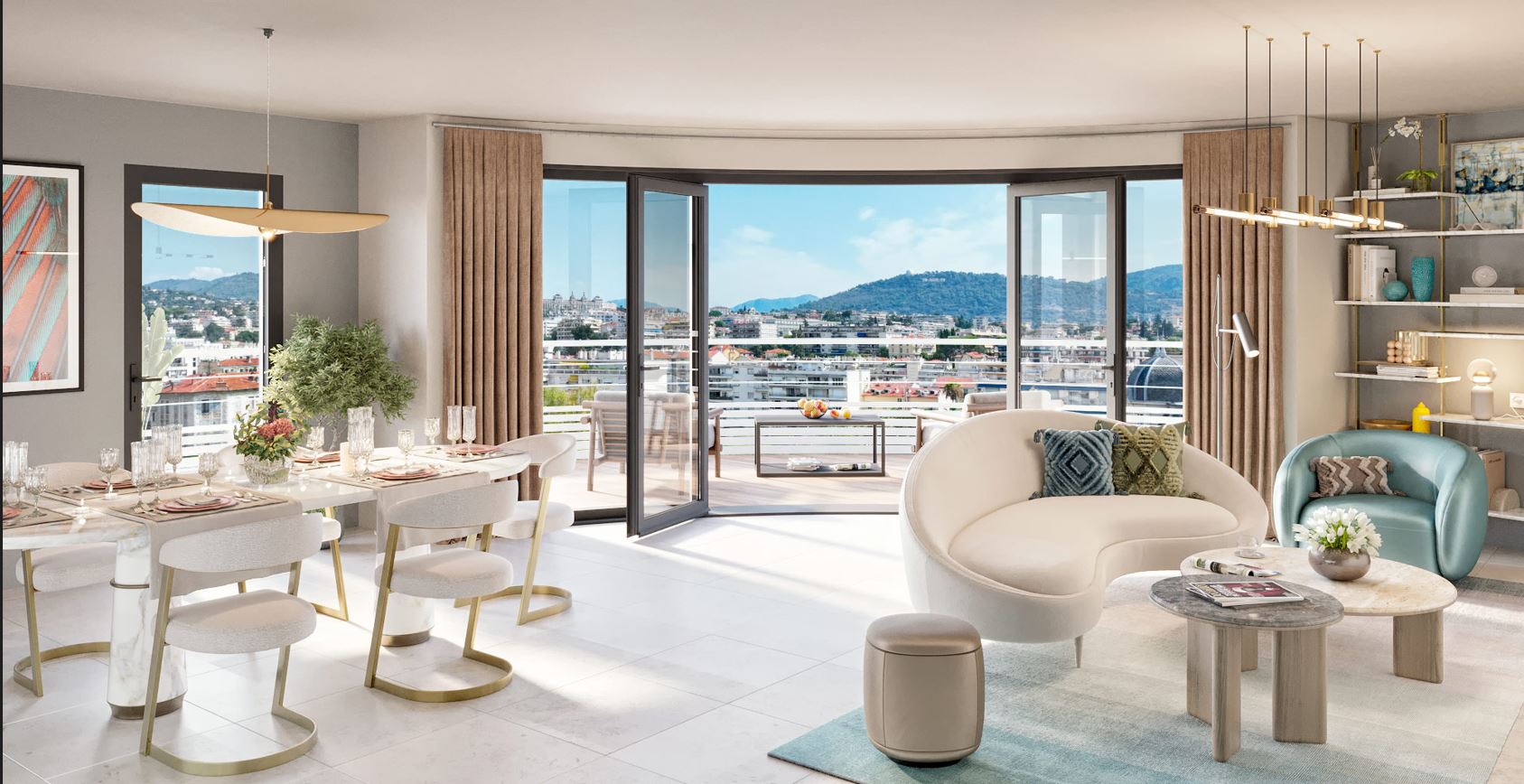
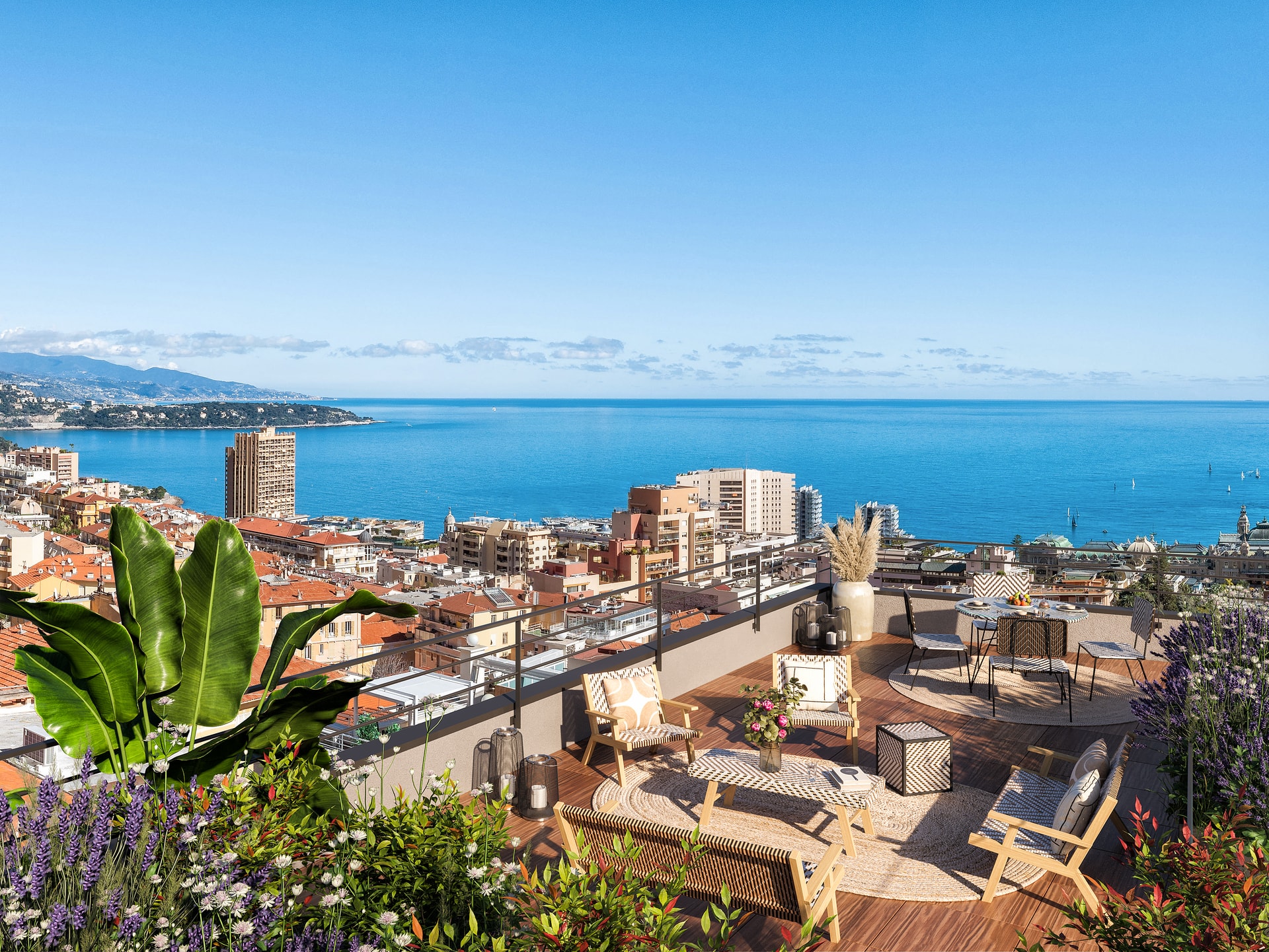
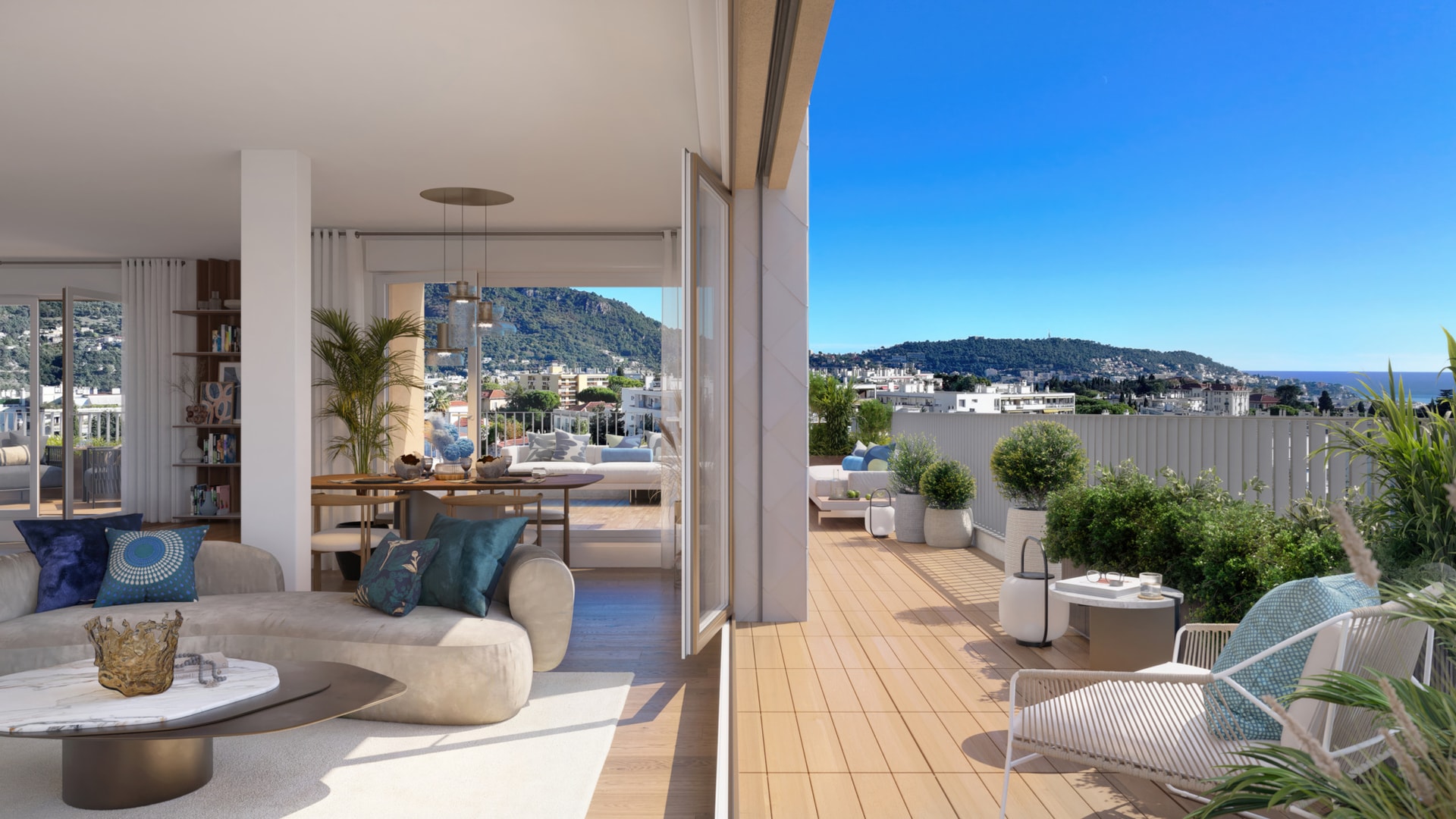
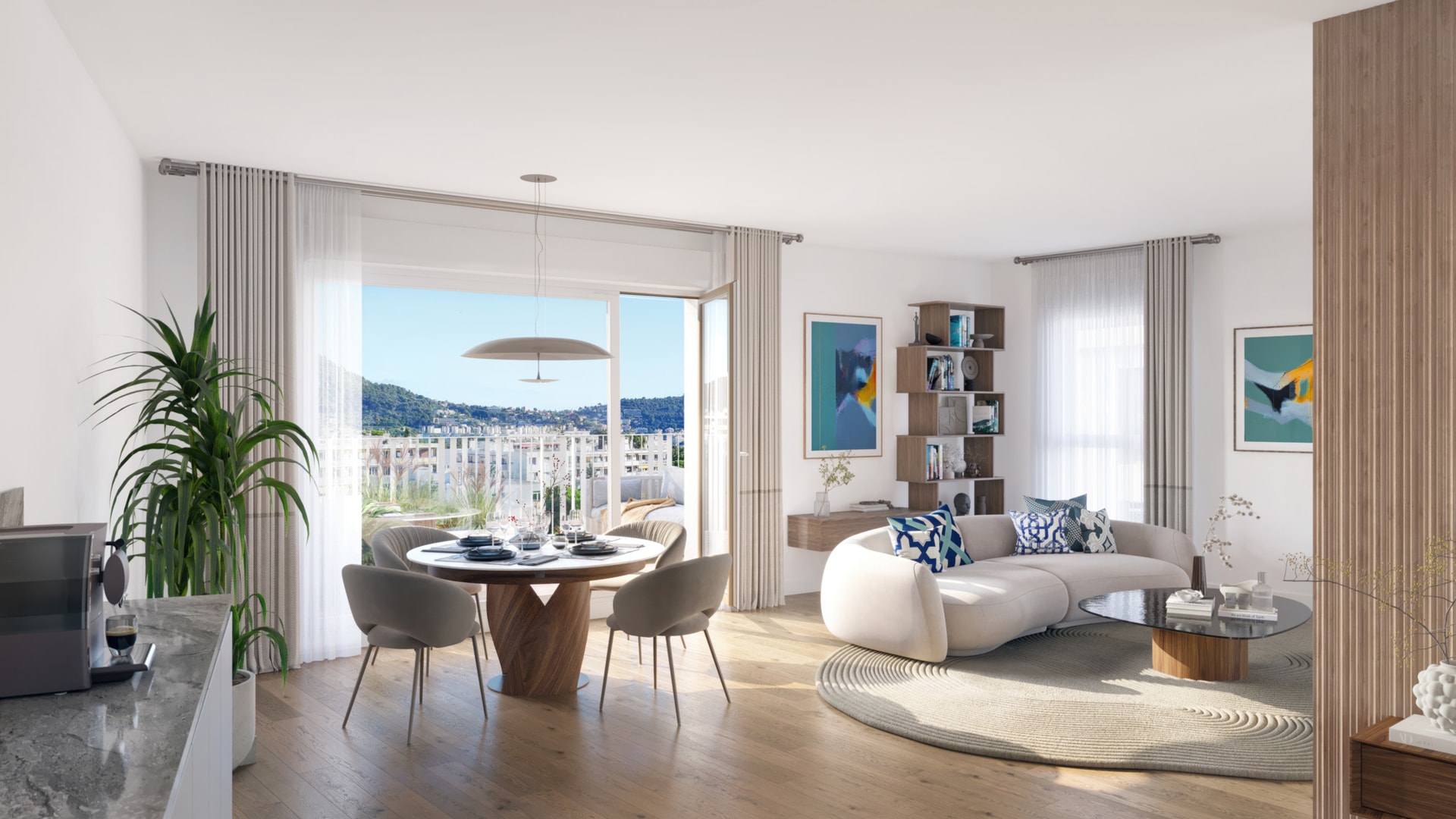
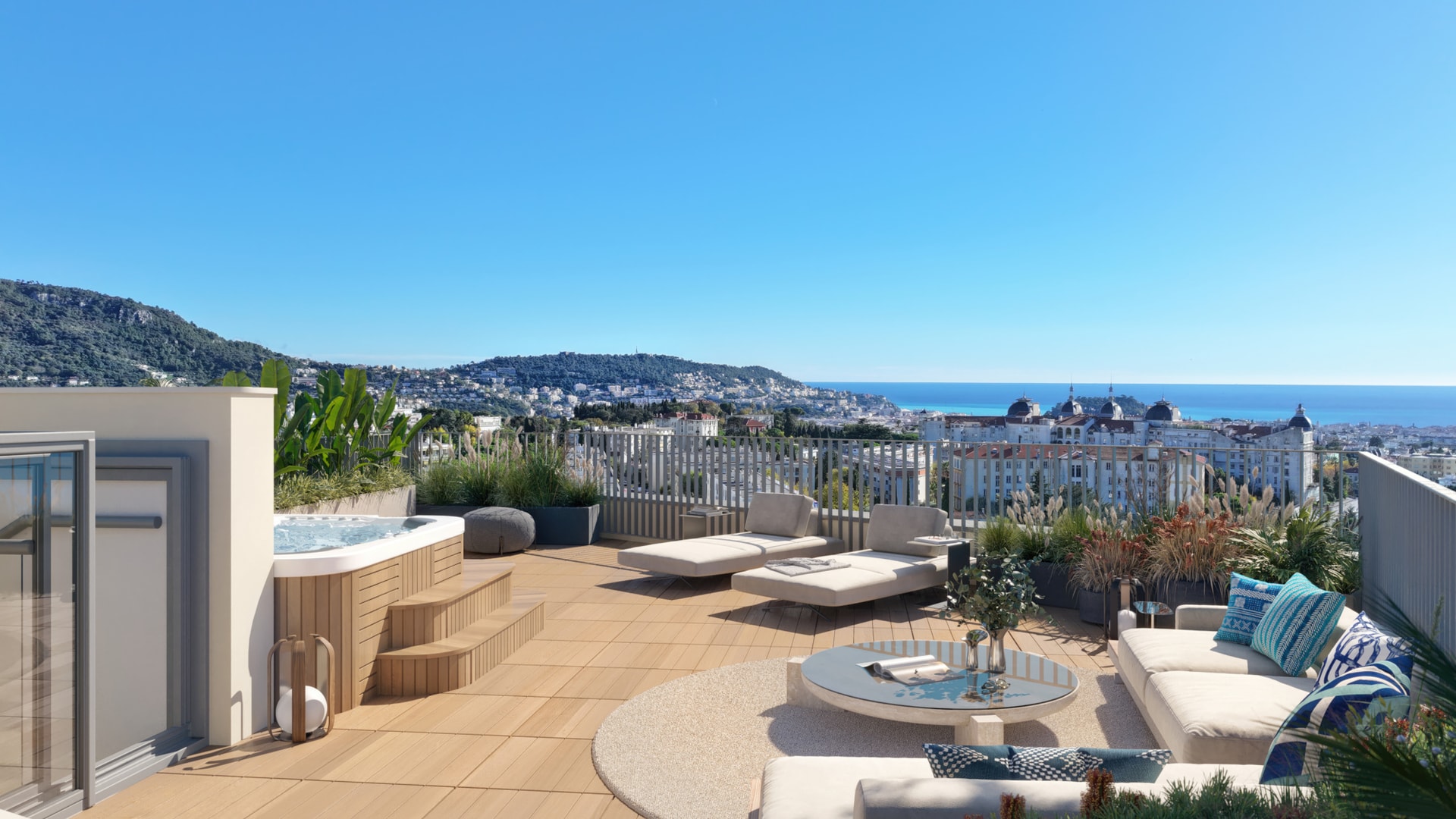
The territory in pictures
Reinvest a sale, prepare the transfer
Here, the stake is not tax in the sense of a saving: a second home enters the IFI base in full, and placing the property in an SCI changes nothing about this as long as you keep the usufruct. The point of a family SCI lies elsewhere: passing it on in fractions of shares, over the years and the allowances. We set out its logic and its limits; the articles, the timetable of gifts and any split ownership are drafted with your notaire.
A concrete case

- Profile
- Entrepreneur, 58, after selling his company, household liable to the IFI.
- Project
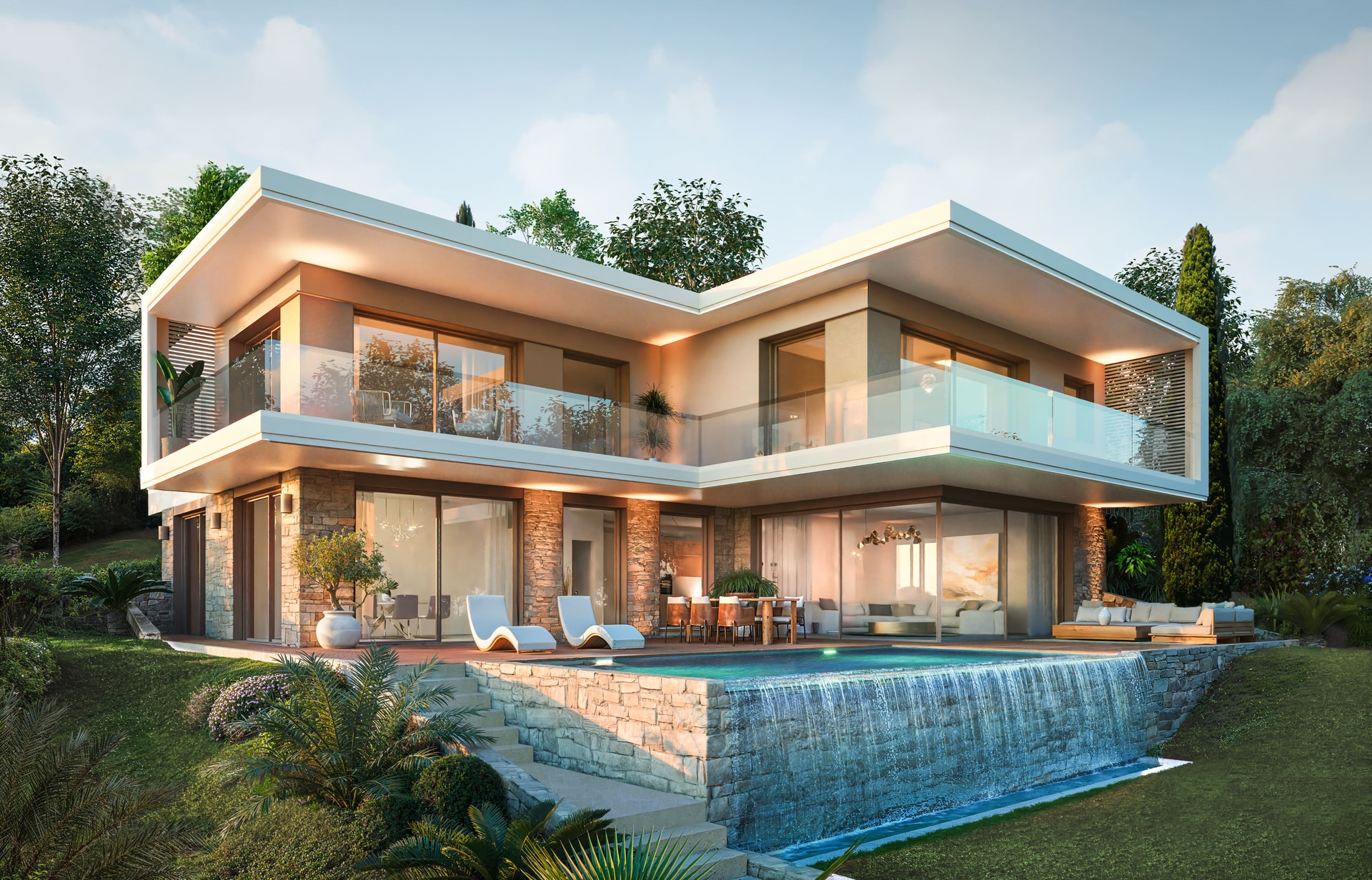
- New-build second home (off-plan), Cap d’Antibes area, around €1.6m, held through an income-tax family SCI.
- Structure
- Property held by a family SCI; a gift of the bare ownership of the shares to the children, with the usufruct retained. Passed on in fractions at the pace of the allowances.
Second home in the IFI base
the 30% allowance (art. 973) applies only to the main home
Bare ownership of the shares gifted at 58
scale under art. 669 CGI
Allowance per parent per child, every 15 years
up to this limit — arts. 779 and 784 CGI
A project in this region?
A wealth study starts from your actual situation: a first structuring outline and the property types suited to this region, followed by a thirty-minute scoping call.
Request your study