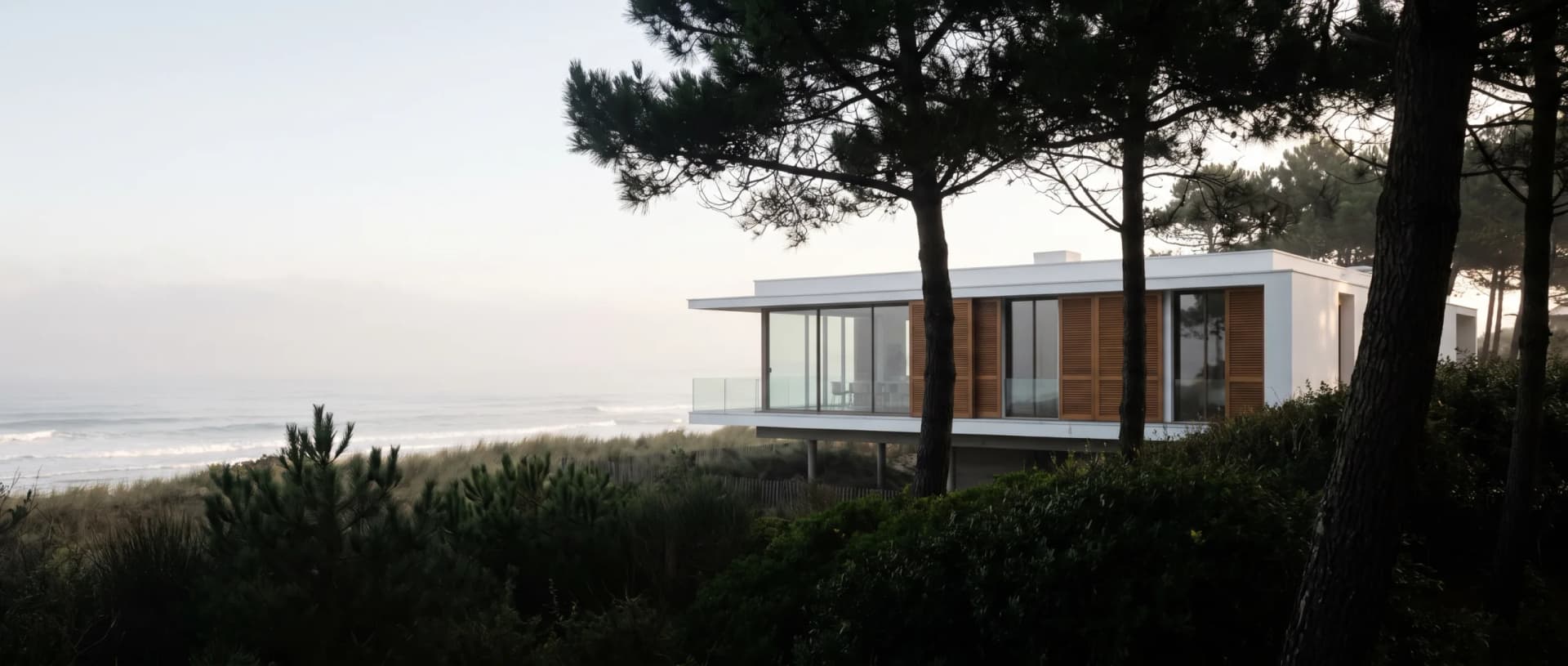
Atlantic
From Arcachon Bay to the Basque coast, the Atlantic seaboard draws a clientele looking for a family second home, more discreet than on the Mediterranean. The right question, from the outset: hold it in personal ownership, or through a company?
Arcachon Bay · Cap-Ferret · Biarritz — Basque coast · La Baule · Île de Ré
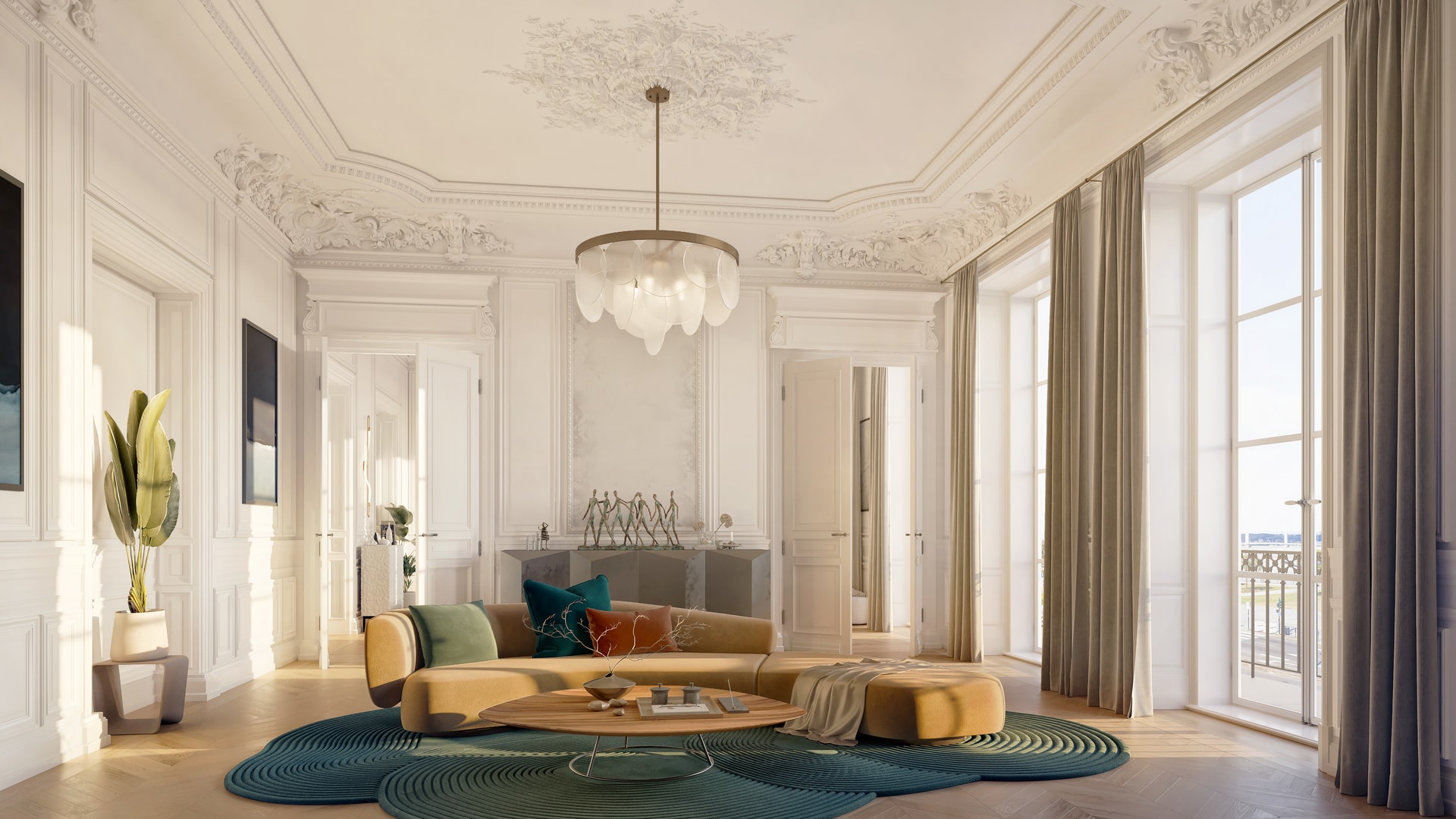
An ocean coast, discreet and family-minded
The Atlantic has its own character: the ocean and the tides, the pines and the oyster huts of the Bay, the seaside elegance of La Baule, the surf culture and art of living of the Basque coast around Biarritz. People come as families, often for generations, for a summer use that now spills over into the shoulder seasons.
It is a coast less ostentatious than the Riviera, but just as rare to build on. The second home here is almost always thought of as a family property, meant to last and to be passed on.
Very rare coastal new-build, tight demand
Here too, the Coastal Act and the protection of natural spaces make land scarce: new operations are few, often set back from the seafront, and much in demand. Pressure is strong in areas such as Cap-Ferret, Île de Ré or the Basque coast, where new-build supply remains well below what buyers want.
- The Coastal Act and protected spaces: scarce new-build, often set back.
- Strong pressure on Cap-Ferret, Île de Ré, the Basque coast.
- A family second home dominates, designed to last.
- The reduced acquisition costs of new-build in a market dominated by existing property.
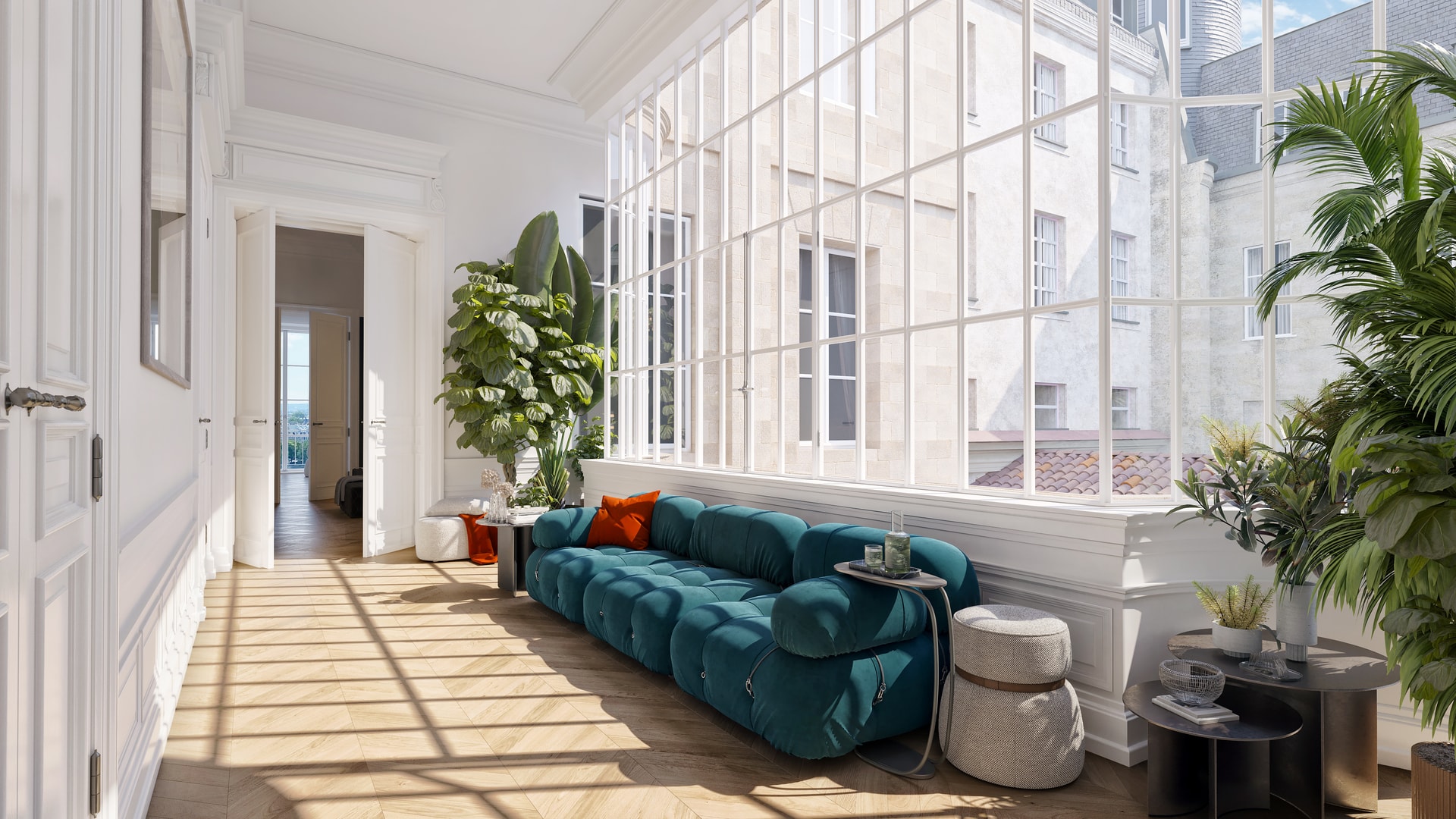
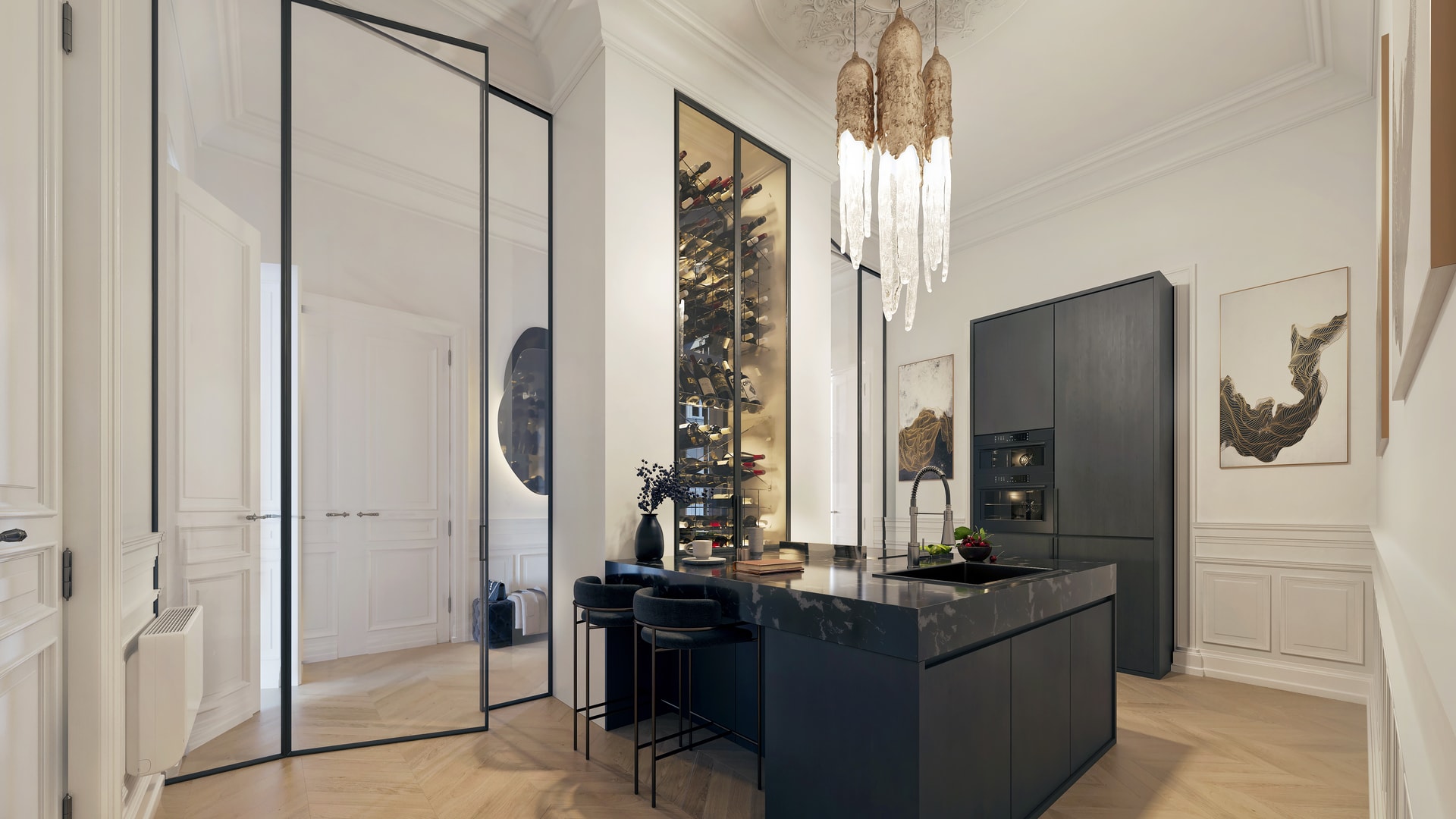
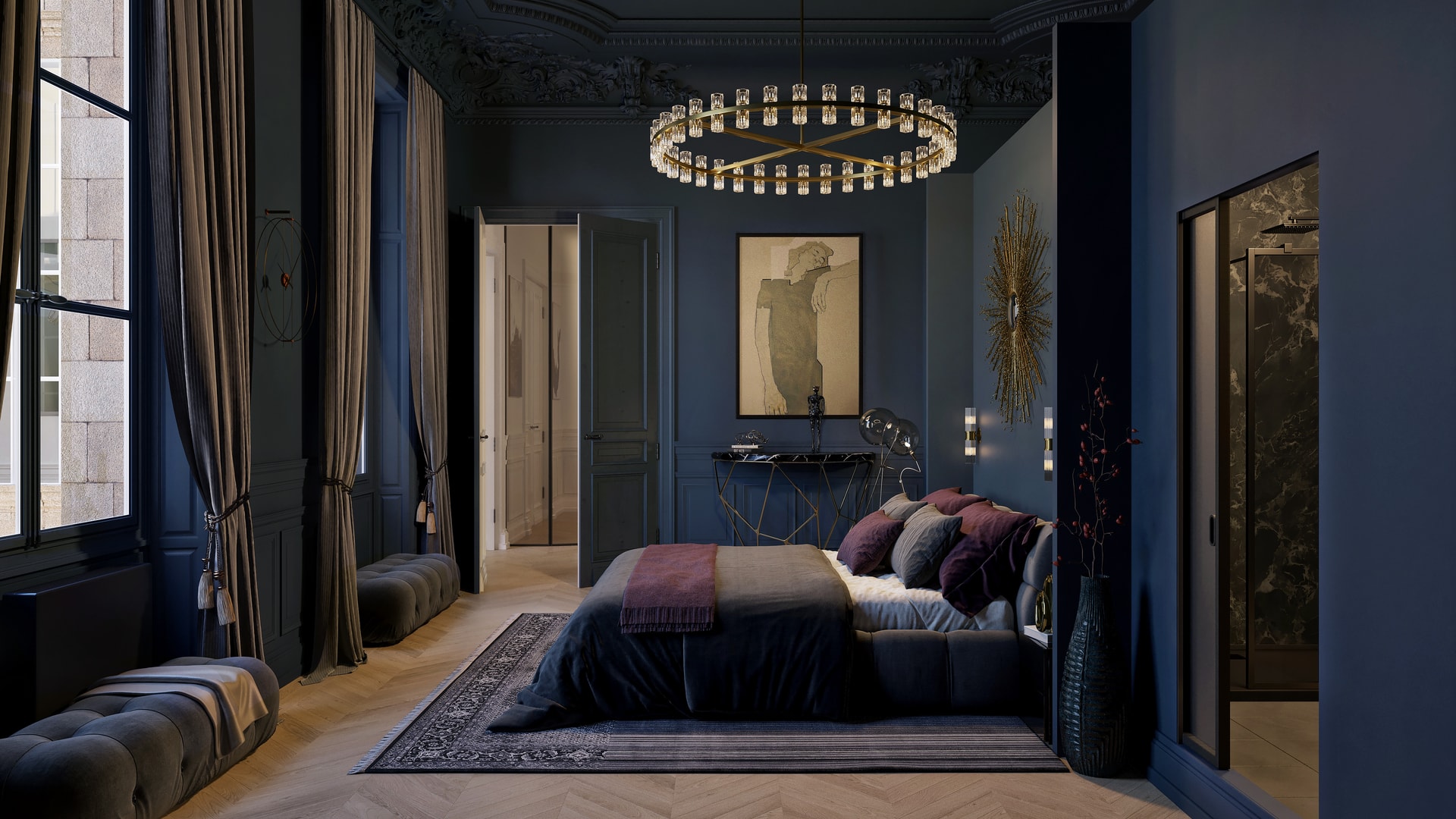
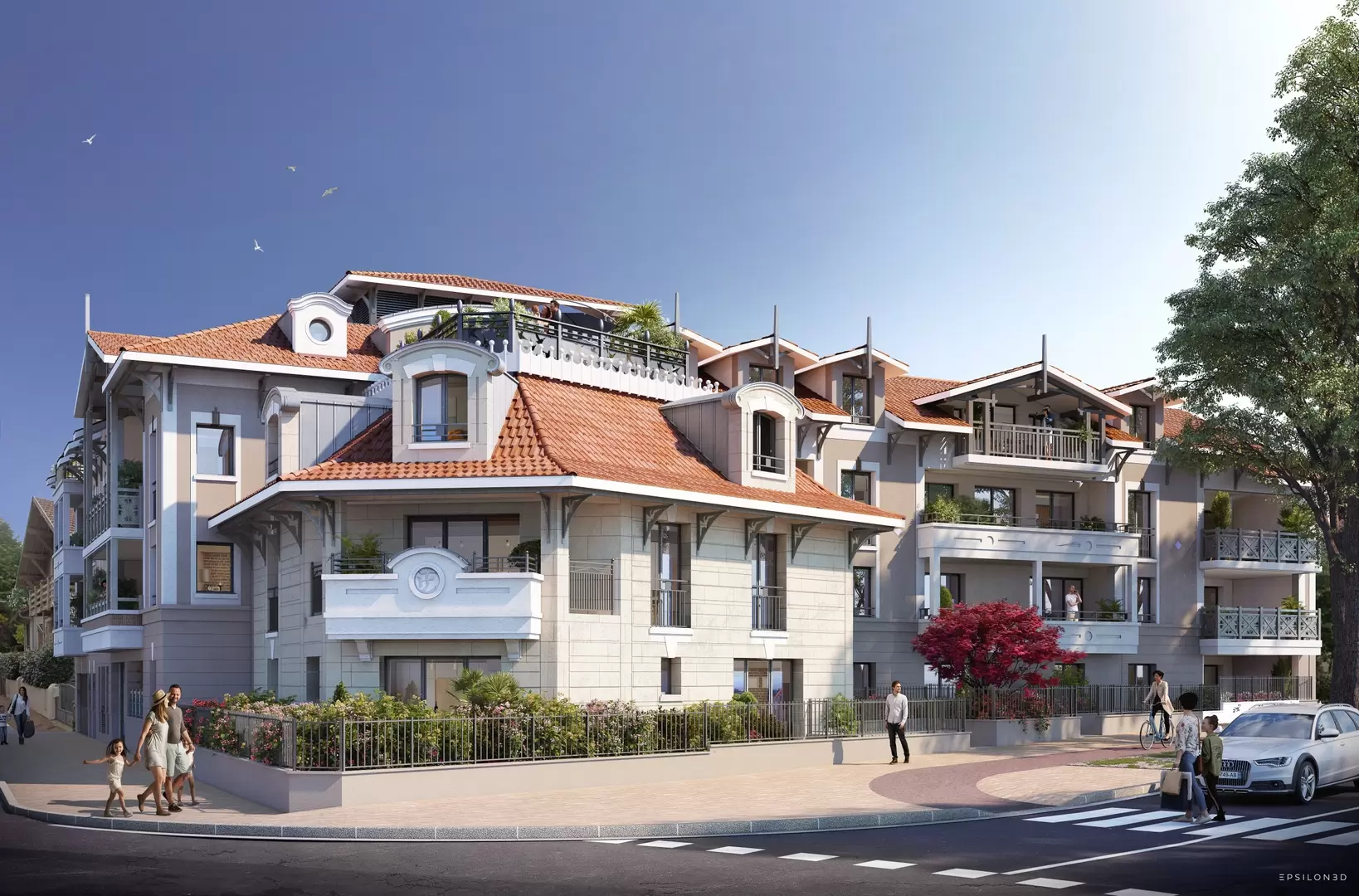
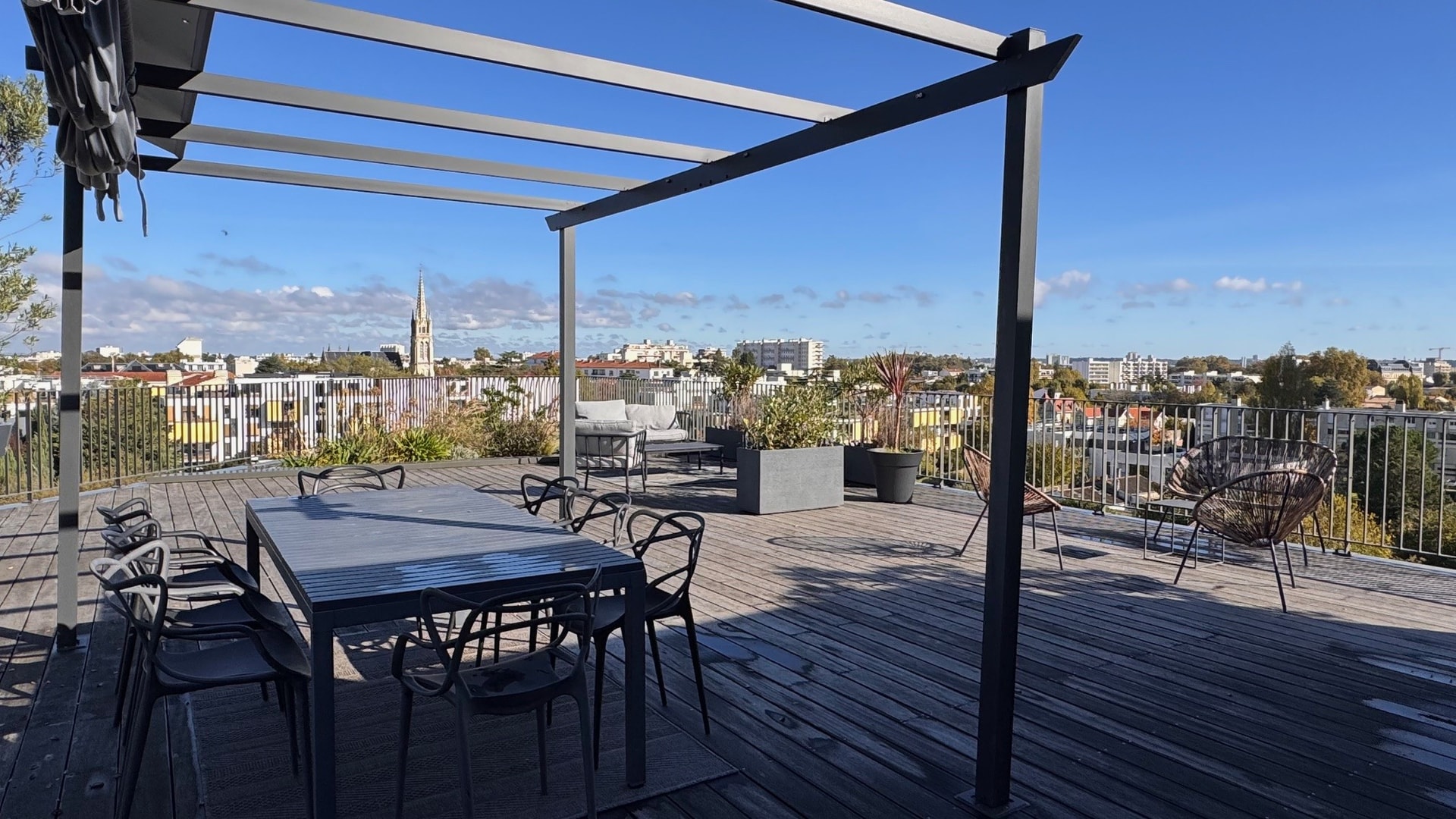
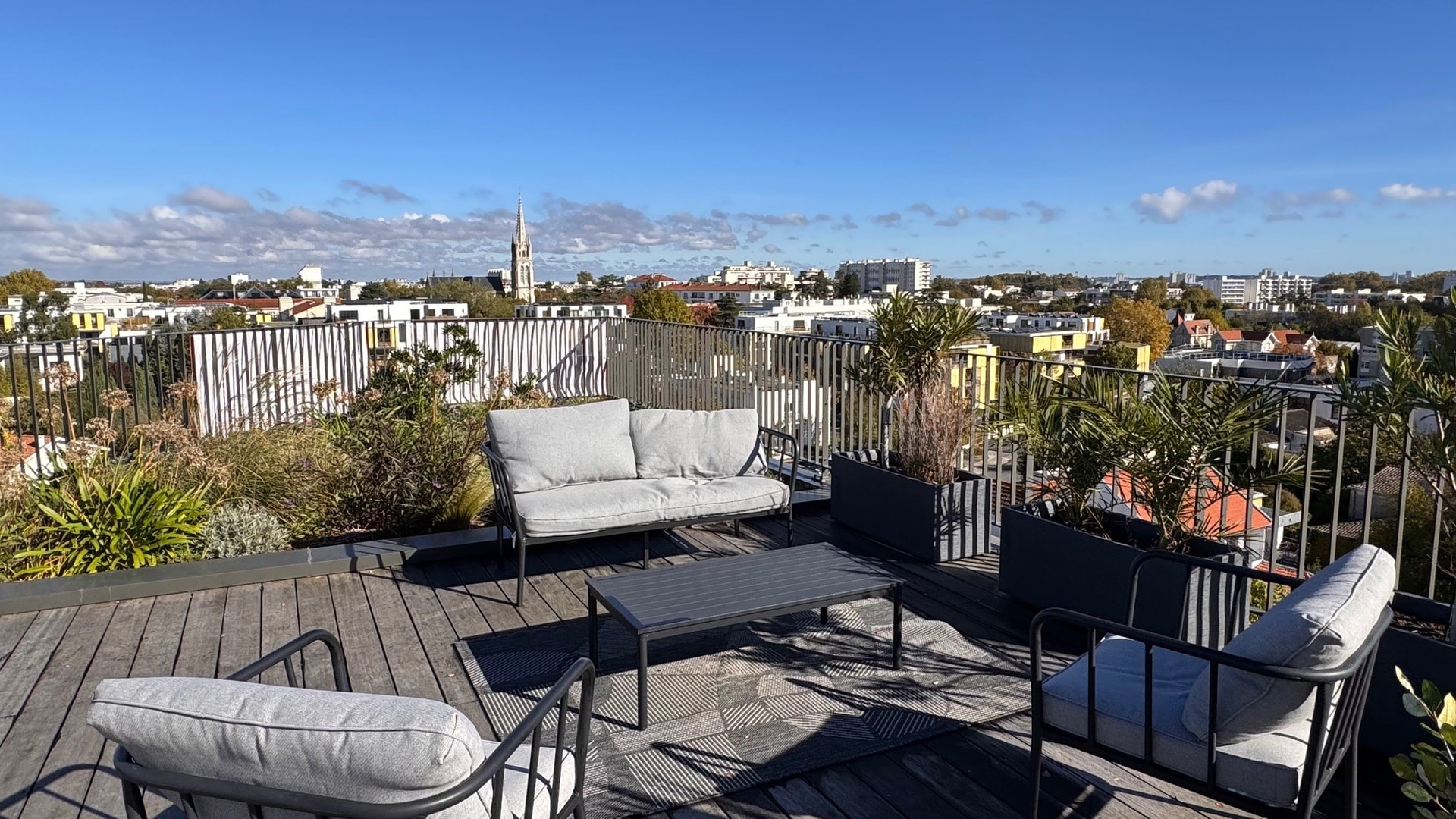
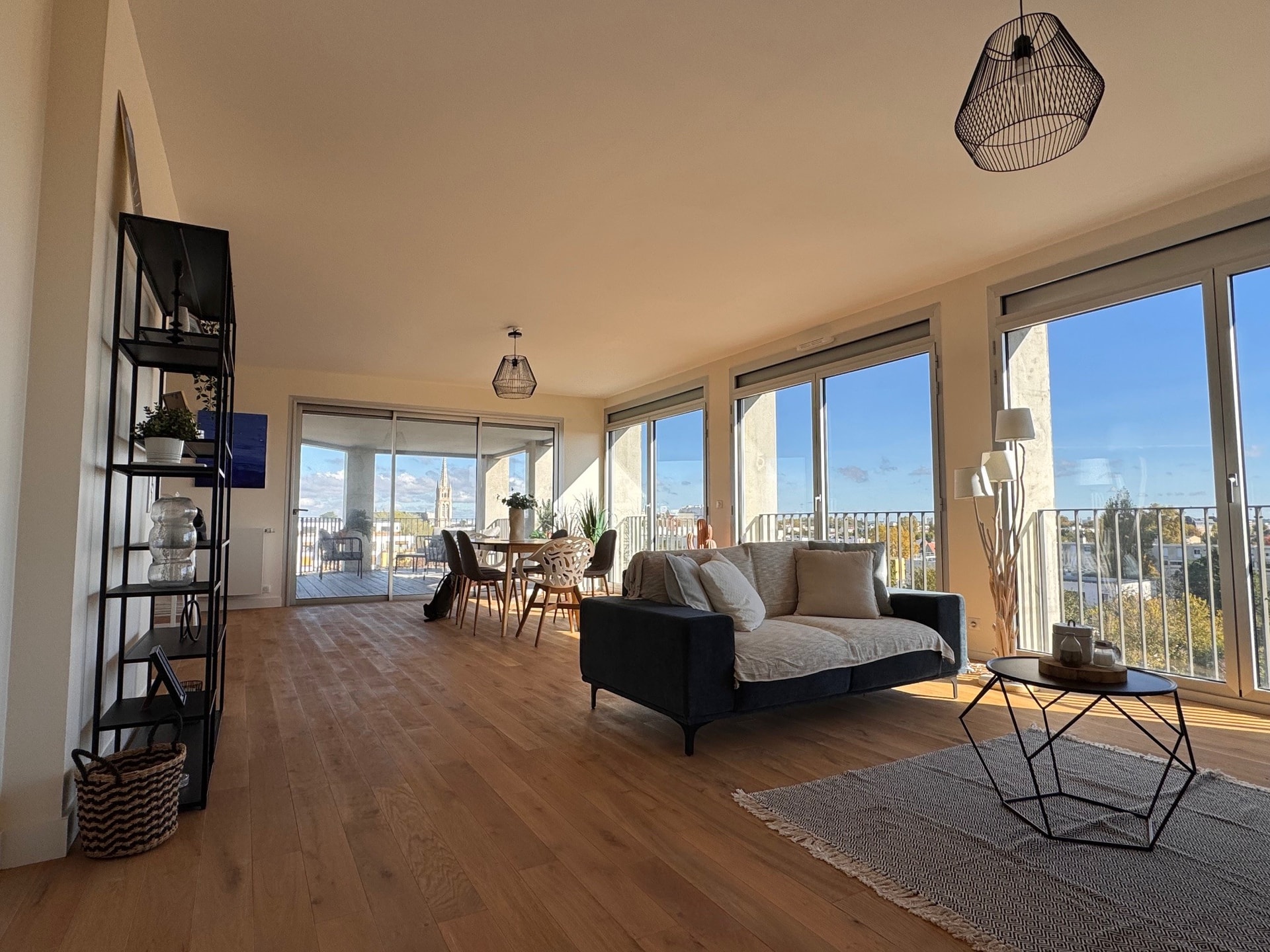
The territory in pictures
Personal ownership or an SCI: settle it at the point of purchase
Holding a second home in personal ownership is simple; doing so through a family SCI opens other possibilities for passing it on, at the price of formalities. Beware a common misconception: on the IFI, the SCI is neutral — it does not reduce the base. Its point is to pass on the shares gradually, possibly only their bare ownership. It is a trade-off to settle from the purchase, because changing the form of ownership later has a cost. We set out the terms; the choice is made with your notaire.
Personal ownership or an SCI

- Profile
- Senior executive, 63, married, two children, household liable to the IFI.
- Project
- New-build second home (off-plan), Arcachon Bay / Cap-Ferret area, around €1m (new-build acquisition costs of around 2 to 3%).
- Structure
- In personal ownership, the simplest form of holding, with no cost or formalities — but passing it on in fractions creates undivided joint ownership between the children (art. 815 of the Civil Code), which is more rigid. In a family SCI, articles and approval clauses avoid imposed joint ownership and steer the transfer of the shares, at the price of formalities and annual accounts. Identical tax effects on both sides: the trade-off is simplicity versus flexibility in passing on.
Second home in the IFI base, in personal ownership as in an SCI
art. 965 CGI
Bare ownership gifted at 63
scale under art. 669 CGI
Acquisition costs on new-build
A project in this region?
A wealth study starts from your actual situation: a first structuring outline and the property types suited to this region, followed by a thirty-minute scoping call.
Request your study